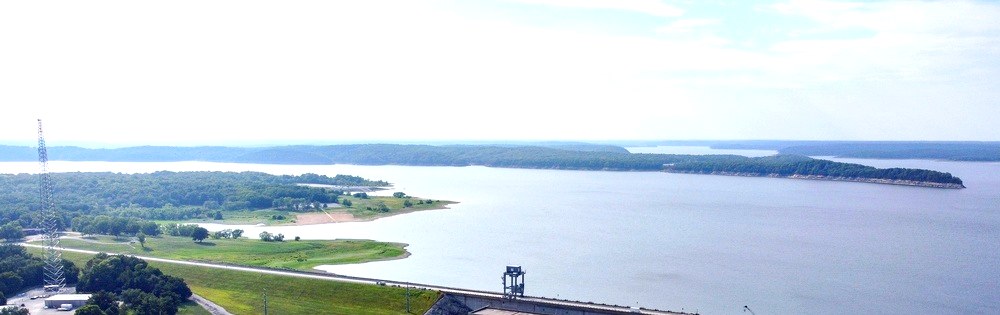
On a still January morning, you can count thirty bald eagles without moving your feet — perched in bare sycamores along the Osage tailwater, banking low over the open channel, feuding midair over a stunned shad. Truman Lake in winter belongs to them.
The dam at Warsaw creates one of the most reliable eagle concentrations in Missouri. Understanding why helps you find the birds faster and plan a trip worth the cold drive.
Why Eagles Stack Up at the Dam
Harry S. Truman Dam holds back 55,600 surface acres of reservoir, but the real action in winter happens below it. Water passing through the hydroelectric generators stays at a relatively stable temperature — cool, but not freezing — which keeps a long stretch of the Osage River open even when surrounding ponds and shallows lock up under ice.
Open water means fish. Fish pulled through the generators come out disoriented or stunned, rising slowly to the surface. For a bald eagle, that's the easiest meal of the season. Word gets around fast in the raptor world: eagles that spent summer scattered across Canada and the northern Great Plains funnel south toward reliable food sources like this one.
The Corps of Engineers' Kansas City District operates the dam and manages water releases, so generation schedules affect fish movement and, indirectly, eagle activity. More generation often means more birds working the channel.
When to Go: Peak Counts and Timing Within the Day
Late December through mid-February is the window. Counts tend to build after Christmas as northern lakes freeze solid and push birds further south, then taper off by late February as eagles begin moving back toward nesting territory.
Mid-January often produces the highest single-day totals — 50 to 100+ birds isn't unusual in a strong year along the dam tailwater and adjacent timber. The Missouri Department of Conservation's annual Eagle Days event, typically held the third weekend of January, draws guides and spotting scopes to the Truman Visitor Center. Check mdc.mo.gov for confirmed dates each season before you make plans.
Time of day matters as much as time of year.
- Sunrise to mid-morning (roughly 7–10 a.m.) is prime. Birds are active, light is hitting the east bank at a useful angle, and fishing behavior peaks before thermals develop.
- Late afternoon (3–5 p.m.) produces a second wave of activity as birds make final feeding runs before roosting.
- Midday is the slowest window — eagles loaf in trees and can be hard to pick out against bare branches.
The Best Viewing Spots Around the Dam
Truman Dam Visitor Center — The deck on the visitor center gives you a wide view of the dam face and the immediate tailwater pool. This is the most accessible spot and the hub for Eagle Days programming. You can walk the overlook path even when the center is closed; the outdoor viewing areas stay open.
Dam Tailwater Pulloffs — On the Warsaw side (east), a series of roadside pulloffs along the Corps access road let you drop down closer to the river channel. These spots put you at eye level with low-flying birds and give you a clear look at the gravel bars where eagles land to eat. The wind at the dam face is brutal when it's out of the northwest — dress for it.
Highway 65 Bridge over the Tailrace — Driving south out of Warsaw on Hwy 65, you cross over the tailrace channel. Slow down (when safe and legal to do so) or pull into the adjacent lot to scan the channel and surrounding timber. Immature eagles — brown-headed birds in their first through fourth years — often work this stretch because competition from adults is lower.
Long Shoal Marina Area — A few miles upstream on the reservoir side, the Long Shoal area on the Osage Arm holds birds when the main lake has open water. Eagle activity here is lower than at the tailwater but worth a look if you want to extend the outing. The marina itself is quiet in winter, which means less boat traffic disturbing birds on the water.
Reading the Birds: Adults vs. Immatures
About half the eagles you'll see in a strong winter count won't have the white head and tail of the adult bird in every field guide photo. Immature bald eagles are mottled brown and white, sometimes with a smudgy white belly patch, and they don't develop full adult plumage until roughly their fifth year.
Adults tend to dominate the best fishing perches. If you watch long enough, you'll see a sub-adult bird land on a gravel bar with a fish, only to be displaced within minutes by a fully white-headed adult that outweighs it by a pound or two. The chasing and kleptoparasitism — outright food theft — is some of the most dramatic behavior on display.
Eagles in the tailwater typically make short fishing flights from a perch, snatch a fish, and return to the same tree or a nearby one to eat. Once you locate a productive perch tree, stay patient. The bird will likely return.
What to Bring
The dam overlooks and tailwater pulloffs are exposed. When it's 28°F with a northwest wind, the windchill on the dam deck can be genuinely punishing. Plan for it:
- Binoculars, 8×42 minimum. Compact bins underperform in low winter light. A full-size 8×42 or 10×42 is the right tool.
- Spotting scope, 20–60x. Optional, but useful for counting distant perched birds in the timber across the channel.
- Hand warmers. Optics require bare fingers or thin gloves; keep extras in your pockets.
- Layers + windproof outer shell. The visitor center parking lot is sheltered; the dam deck is not.
- Camera with a long lens if you shoot. 400mm+ gets you usable frame-filling shots. Shorter lenses work fine for behavior documentation.
Other Winter Wildlife Worth Watching
Eagles get the headlines, but Truman Lake in winter offers more than one reason to get off the couch.
Trumpeter swans stage on the open water arms of the reservoir, particularly on the Osage and Grand arms. Missouri is one of the winter range states for this species, and Truman's shallow coves hold aquatic vegetation that keeps birds here through January and February. You'll often spot them from the Hwy 65 causeway area or from elevated points on the Osceola side.
White-tailed deer are in late rut through early winter, and the public land timber surrounding the reservoir — managed by MDC — gives you good odds of seeing deer along the access roads at dawn and dusk. If you're interested in the hunting side of Truman Lake, the hunting report covers season timing and access areas.
River otter show up at the tailwater and in feeder creek mouths with some regularity. They're easiest to spot on calm mornings when the water surface is glassy — look for a low, fast-moving head wake followed by a dive.
Making a Weekend of It
Warsaw is the closest town to the dam — five minutes from the visitor center — and it makes the natural base for a winter eagle trip. Hotels and cabins here keep you close to early morning action without a long dark drive on icy county roads.
We have cabin listings in the Warsaw area on the cabins page if you'd prefer owner-direct lodging with no booking fees. A cabin with a woodstove or fireplace after a morning on the dam deck is a different trip than a highway motel, and Warsaw's central position puts you within reach of the dam, Long Shoal, and the Hwy 65 bridge in under 20 minutes from anywhere in town.
The events calendar has Eagle Days listings as they're confirmed each season, along with other winter programming at the Visitor Center. We update it as MDC and the Corps release dates.
Truman Lake in winter doesn't ask much of you — a free Corps overlook, a pair of binoculars, and the willingness to stand in the cold for an hour. The birds will do the rest.