Truman Lake Cabin Rentals
Updated weeklyWeek of June 11, 2026· AI-generated, expert-reviewed

Post-Spawn Crappie Go Deep as Summer Heat Settles In

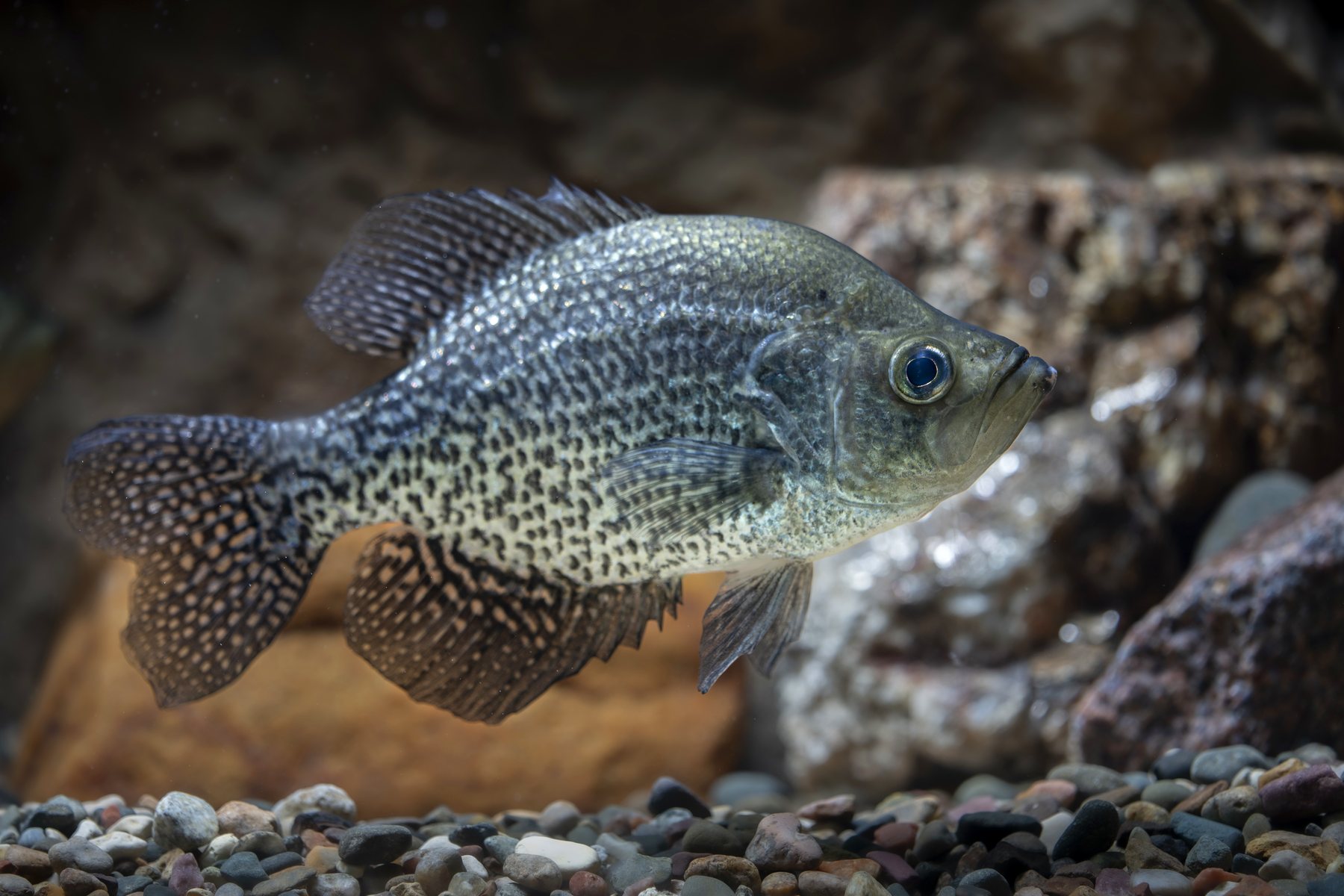
Truman's crappie have wrapped their spawn and pushed to deep brush piles in the 15–25 ft range across all five arms. Bass are firing on topwater at first and last light, and catfish are active along river channels on cut bait.

Conditions

Surface temps are running 74–82°F lake-wide, warmest in the shallower back-cove areas and the Tebo and Sac arms. Water clarity is decent on the Osage Arm and fair to slightly stained on the Grand and Sac arms after recent runoff. Lake level is at or near normal summer pool. Expect calm mornings with afternoon south winds building to 10–15 mph — a pattern worth planning around if you're running a small boat.

Crappie Report

The spawn is done. Any crappie you find in 2–5 ft of water right now are stragglers. The bulk of the fish have made their post-spawn move to deep brush piles and timber edges in the 15–25 ft range, and that's where they'll sit through the heat of summer.

The Grand River Arm out of Bucksaw and Long Shoal is holding solid schools of crappie on flooded timber in that 18–22 ft window. The key is finding wood that tops out between 10 and 14 ft — fish will suspend just above the canopy. In the Osage Arm near Sterett Creek and Truman State Park, look for man-made brush piles on channel breaks. The Tebo and Pomme de Terre arms are also worth working — both have enough flooded structure to hold good numbers.

Long jig poles with 1/16 oz jigs tipped with a small minnow are the go-to right now. Chartreuse, pink, and white are reliable colors. If you're not marking fish in 15 ft, drop to 22–25 ft — some of the bigger black crappie have gone that deep already. Spider-rigging over brush with live minnows is a strong mid-day approach when the sun is high and fish are tight to the bottom of the structure.

Expect smaller average sizes this time of year; the post-spawn fish are recovering and feeding opportunistically. That said, slabs over 1.5 lb are still very much in the mix on the deeper brush.

Bass Report

Largemouth are behaving like early summer fish should. The topwater bite at dawn is legitimate — walking baits and chuggers over riprap and flooded vegetation are drawing strikes in the first 45 minutes of light. After that, the bite goes subsurface fast. Switch to a Texas-rigged creature bait or a medium-diving crankbait along main-lake points and ledges once the sun climbs.

The Osage Arm riprap banks near Warsaw hold fish in the 2–4 lb class consistently this time of year. If you want bigger largemouth, target the timber edges of the Grand Arm at dawn and dusk with a hollow-body frog over shallow vegetation mats.

Catfish Report

Channel cats are biting well on cut shad and chicken liver along the river channel edges in 10–18 ft of water. This is a strong week to run a trotline or jugs in the Sac or Grand arms — both carry enough cover and current-influenced depth changes to concentrate fish. Blue cats are holding deeper near the dam and main channel in 20–30 ft. Big flatheads are tucked in heavy timber in the Grand and Sac arms; target them after dark with large live bait.

Where to Fish This Week

  • Grand River Arm — Bucksaw to Long Shoal timber: Best all-around bet for post-spawn crappie on deep brush. Run your electronics slowly over flooded timber points and mark fish before you drop.
  • Osage Arm channel breaks near Sterett Creek: Clean water, good structure, and accessible from a well-maintained marina. Brush piles in 18–22 ft are holding fish mid-day.
  • Main-lake riprap near Warsaw (Anglers Port side): Morning topwater bass bite plus decent crappie action on points where riprap meets a depth change.

Pro Tip

Post-spawn crappie are often suspended 2–4 ft above the top of a brush pile rather than sitting inside it. If you drop straight into the brush and don't get bites, pull your presentation up a couple feet and slow your retrieve. Many anglers fish right through suspended fish by going too deep too fast. Mark the brush on your graph, note the depth of the canopy, then present your jig just above it — that's where the biters are holding right now.