Sometime around the third week of March, the coves on the south side of Truman Lake start to warm faster than the open water. Surface temps creep toward 58–62°F, crappie push shallow, and the paddlefish run is already underway down at the Osage and Grand arm tailwaters. If you're not already planning a trip, you're behind — prime spring weekends here book out by January.
Truman Lake's spring season is genuinely stacked. It's not one activity with a couple of side options. It's five or six completely different reasons to be outside, often running at the same time, within a short drive of each other. Here's what's worth your time from March through May.
Paddlefish Snagging (March 15 – April 30)
Missouri's paddlefish snagging season runs March 15 through April 30, and Truman Lake is one of the top destinations in the state for it. Anglers target these prehistoric fish — they can exceed 60 pounds — by snag-fishing in moving water near the lake's tributary arms.
The Osage arm and the area around Osceola see consistent pressure during the run. Missouri Department of Conservation manages the season tightly; check MDC's current regulations before you go because slot limits and check station requirements apply. You'll need a valid Missouri fishing license plus a paddlefish permit.
The rhythm of the season matters here: fish start moving when water temps climb through the low-to-mid 50s°F and river flows are steady. An early cold snap in late March can delay things; a warm spell can compress the bite into two or three exceptional weeks. Watch the TLCR fishing report for real-time updates as the season opens.
Crappie Spawn (Late March – Mid-May)
Truman Lake has built a legitimate national reputation for crappie fishing. It's hosted Crappie Masters and National Crappie League events, and for good reason — 55,600 surface acres of relatively undeveloped water grows fish without the boat traffic pressure you'd find at Lake of the Ozarks.
The spawn typically runs late March through mid-May, but it doesn't hit the whole lake at once. South-side coves — particularly around the Osceola area and the Tebo arm — warm first because of their orientation and shallower structure. Crappie move up into brush, laydowns, and dock pilings when surface temps hit 60–65°F. That's your window for some of the most consistent catch rates of the year.
By early May, the spawn shifts to northern and deeper coves as the whole lake catches up. If you're chasing peak numbers rather than just a good day on the water, booking a cabin on the south side for a late-March or early-April trip gives you first access to warming water. Check our fishing report page before you launch — conditions shift week to week in spring.
Spring Turkey Season (April – Early May)
Missouri's spring turkey season typically opens in mid-April, and the land around Truman Lake is some of the best public turkey habitat in the western part of the state. The U.S. Army Corps of Engineers manages a large footprint around the reservoir, and MDC manages public hunting access on Corps land — together that's a significant amount of hardwood timber, field edges, and creek drainages that hold birds.
The Benton and St. Clair county areas near the lake have consistent turkey populations. Gobblers are vocal during the pre-dawn hours in April, and the terrain — rolling hills dropping into cove timber — gives hunters good options for setting up near roost sites.
If you're planning a turkey trip, confirm your public land access maps through MDC's hunting resources and review any Corps-specific rules for the unit you're hunting. Check the TLCR hunting report for local notes heading into the season.
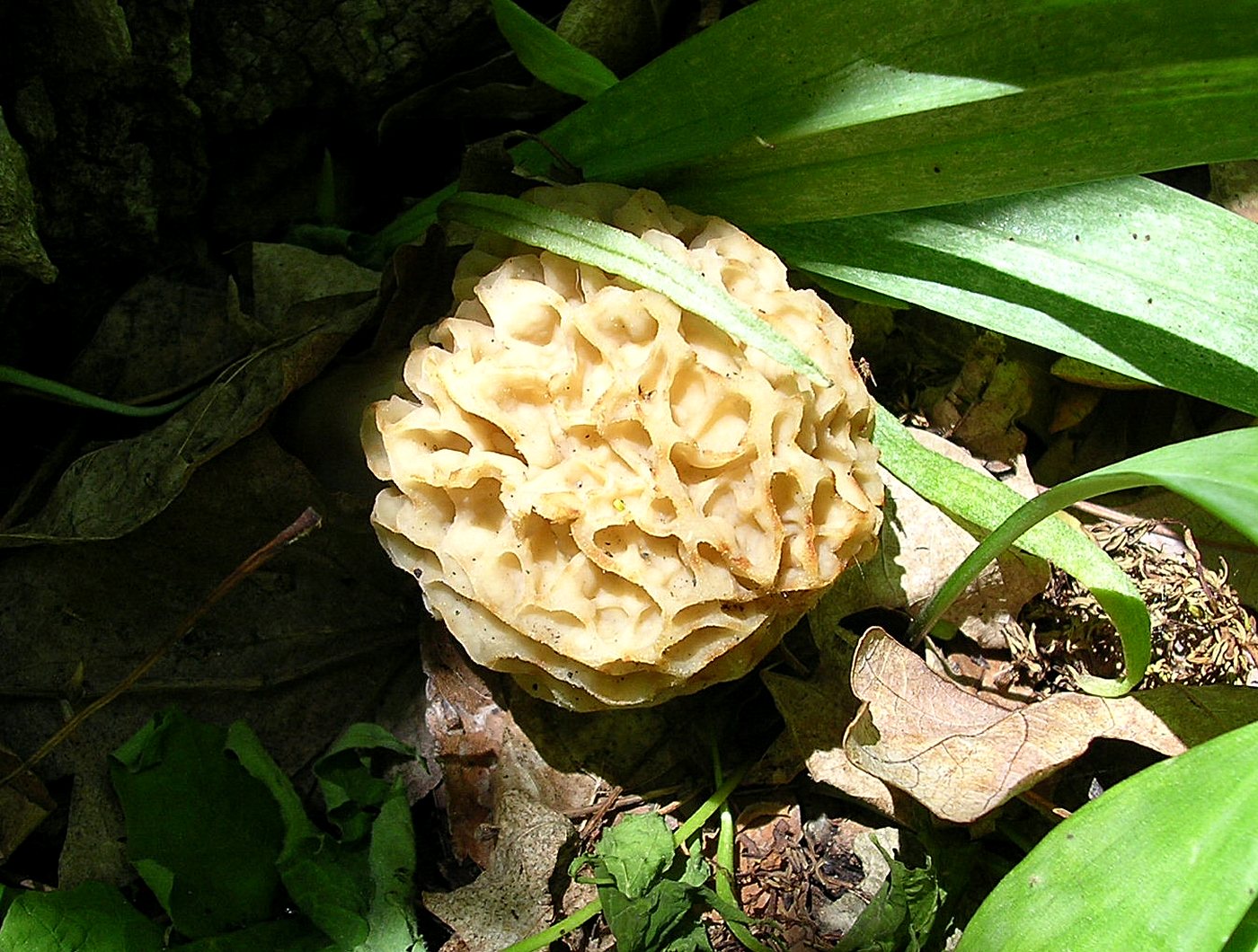
Morel Mushroom Hunting in the Hardwoods
The hills above Truman Lake are a morel hunter's terrain: oak and hickory hardwood forests, creek bottoms with dying elms, and south-facing slopes that warm ahead of the surrounding ridgeline. In a typical year, morels start showing up at lower elevations in early April and the peak runs through late April into early May depending on rainfall and overnight temperatures.
You're looking for soil temps around 50°F and nights that stay above freezing consistently. A warm rain followed by two or three mild days is the classic trigger. Elm trees — particularly standing dead ones — are a reliable first stop. Old apple orchards near abandoned homesteads, which you'll find scattered through the hills above the Tebo and Sac arms, are worth exploring.
Morel hunting pairs naturally with a spring cabin stay. You're already in the right habitat; it's just a matter of getting out in the morning before the wind picks up and the deer start moving. Bring a mesh bag so spores scatter as you walk.
Eagle Days and Late-Winter Carry-Over
Bald eagle concentrations peak at Truman Lake in late January and February, but early March still sees birds — particularly around Tightwater and areas where shad winter-kill creates easy feeding. If your spring trip starts in early March, it's worth keeping binoculars in the truck. The eagle activity is less organized than the formal Eagle Days events (which typically run in January–February), but the birds are there.
For a dedicated eagle-watching visit, the TLCR events page lists organized programs as they're scheduled, including any late-winter viewing events near Warsaw or Clinton.
Redbud Bloom and Wildflowers (Mid-April Peak)
People underestimate how good the Ozark fringe looks in mid-April. Eastern redbud blooms across the hillsides above the lake, usually peaking around the second or third week of April in this part of Missouri. It comes before the canopy leafs out fully, so you get vivid pink-purple color against gray hardwood trunks and clear lake views that will be hidden by May.
Dogwood follows the redbud by a week or two. The roadsides between Osceola and Clinton, and the Corps access roads near the Sac and Tebo arms, are genuinely worth a slow drive during this window. If you've only seen this part of Missouri in summer or fall, the spring color will surprise you.
Wildflowers hit the forest floor during the same window — trout lily, bloodroot, and Dutchman's breeches show up in creek bottoms and shaded north-facing slopes. These don't last long. A week of warm weather in late April can push them past peak quickly.
Sac River Canoeing
The Sac River feeds into Truman Lake from the northwest, and spring is typically the best paddling season — water levels are higher than summer, current is present without being dangerous, and the corridor hasn't leafed out into full-canopy shade yet. The upper Sac runs through relatively undeveloped country in Cedar and St. Clair counties before reaching the lake.
Spring paddling on the Sac works best in April after consistent rain has kept levels up. By late May, sections can get low and scratchy in dry years. This is float-and-fish territory as much as pure recreation — smallmouth bass and goggle-eye (rock bass) are in the river year-round, and spring brings them active and aggressive before the heat sets in.
Check river gauge data through USGS before committing to a put-in. The Sac can rise and drop quickly after spring storms.
South Side First: Where to Book for Spring
If spring fishing or turkey hunting is the reason you're coming, cabin location matters more than any other season. South-facing arms — the Tebo and lower Osage in particular — warm ahead of the northern end of the lake by a meaningful margin in March and early April. That difference in water temperature translates directly to crappie activity and fish accessibility from the bank or a jon boat.
Cabins near Osceola put you close to the Tebo arm and within range of both paddlefish water and morel country in the hills above town. Browse available spring cabins and reach out to owners directly — there are no booking fees or service charges through TLCR, so what you see is what you pay.
Book Early — Spring Fills Fast
Spring is the most in-demand window at Truman Lake, full stop. The crappie spawn, paddlefish season, turkey season, and morel window all compress into roughly eight weeks, and a significant share of annual cabin rentals happen in that stretch.
Prime weekends — late March through the first week of May — routinely fill before the end of January. If you're planning a trip around a specific target (opening week of paddlefish, peak spawn, first turkey weekend), reach out to owners well before the new year if you can. If you're flexible on dates, mid-week stays in April are often available with shorter notice and see lighter boat traffic at the ramps.
Watch the events calendar for tournament dates too — crappie tournaments draw boats from across the region and can affect ramp access and lodging availability around Warsaw and Osceola on select weekends.
Spring at Truman Lake moves fast. The redbud blooms for about two weeks. The crappie spawn lasts a month, maybe six weeks in a cold year. Paddlefish season closes April 30 regardless of conditions. Plan early, book direct, and get out there while the water's still cold enough to matter.