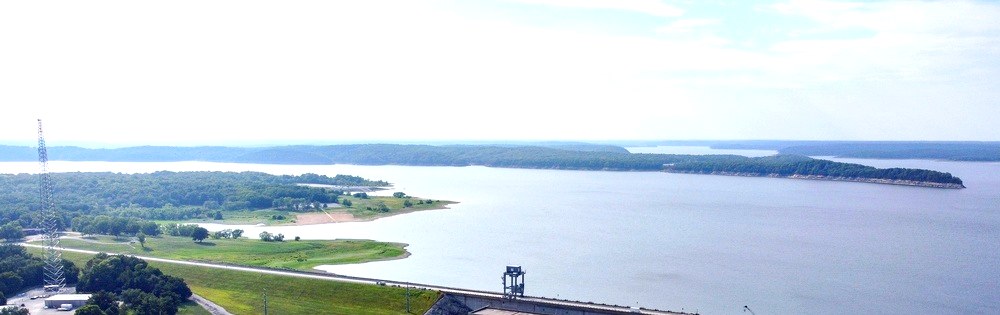
The Grand River Bottoms smell like mud and dead cattail on a cold November morning, and that's exactly how you want it. By the time gray light pushes over the tree line, the mallards are already working the flooded timber — cupped wings, feet dropped, coming in low. Truman Lake's position on the Mississippi Flyway isn't an accident. The reservoir and its surrounding public wetlands funnel birds south all season long, and the hunting pressure stays a fraction of what you'd find on better-known Missouri duck ground.
If you've been chasing teal and mallards on crowded public water and burning half your morning paddling past other hunters' decoy spreads, Truman is worth a serious look.
Why the Mississippi Flyway Matters Here
The Mississippi Flyway is the broadest of the four North American flyways, channeling ducks from breeding grounds in the Prairie Pothole region down through the Missouri River corridor and into the Gulf states. Truman Reservoir sits near the western edge of that funnel, right where the Grand, Osage, and Tebo river systems converge.
That river-and-reservoir geography creates something most Missouri lakes can't offer: a mix of flooded timber, backwater sloughs, shallow coves, and open-water points all within a short boat ride of each other. Puddlers like mallards and gadwall work the timber and shallow flats. Divers show up on the main lake arms once the temperature drops and ice pushes birds south from the Dakotas.
The season typically runs two splits — an early segment in late October and a main season that extends into late January — but always verify exact dates and species sublimits on the MDC waterfowl regulations page before you load the truck. Regulations shift year to year, and sublimits on canvasback, redhead, and scaup are real and enforced.
Grand River Bottoms: The Premier Tract
The Grand River Bottoms Conservation Area, managed by MDC on land leased from the U.S. Army Corps of Engineers, is the reason serious duck hunters drive to the Clinton area from Kansas City and beyond. The flooded timber and shallow impoundments here hold birds consistently through the main season, and on a good migration push, the mallard numbers can be genuinely impressive.
Two rules shape how you hunt here, and both matter.
First, no permanent blinds. Every blind you build must come down at the end of your hunt. The MDC also restricts blind materials — natural, on-site materials like willow branches are the standard; no lumber, no corrugated metal, no materials hauled in from outside. This keeps the area from becoming a patchwork of permanent structures that disadvantage hunters who arrive later in the week.
Second, first-come, first-served access. There's no blind draw at Grand River Bottoms. Hunters who arrive earliest pick their spots. On high-pressure weekends during the peak migration window — typically mid-November through early December — plan to be on the water well before shooting hours.
Warsow is your closest base, roughly 15 minutes from the primary access points on the eastern side of the area. Check our hunting report for current conditions and water levels before you make the drive.
Montrose and Schell-Osage: Managed Wetlands Worth the Drive
About 30 minutes north of Warsaw, the Montrose Conservation Area centers on a 1,600-acre cooling lake and a series of managed wetland units that MDC controls for water levels. Because MDC can draw down and flood units on a schedule, the habitat here is often better-conditioned than what you'll find on natural floodplain areas.
Montrose runs a blind draw for its managed units — you apply for a specific blind site, which eliminates the pre-dawn scramble. Competition for Montrose blinds can be stiff, particularly for the prime November dates. Check MDC's reservation system well in advance if Montrose is your target.
Schell-Osage Conservation Area sits roughly 40 minutes southeast, near the Osage arm of Truman Lake. The managed wetlands there tend to hold birds later into December and January, when cold snaps push birds off frozen water to the north. If your schedule runs into the back half of the season, Schell-Osage is worth adding to your rotation.
Diving Ducks on the Main Lake Arms
Once surface temperatures on the main lake drop into the 40s, watch the open water on the Brush Creek and Bethlehem areas near the Osage and Grand arms for diving ducks. Canvasback, redhead, and greater and lesser scaup show up in mixed rafts, often staging on points and submerged structure.
Diving duck hunting on Truman requires a different setup than timber hunting — longer decoy spreads, heavier decoys that sit well in chop, and a boat or layout situation that keeps you low on the water. The open-lake arms can build wind quickly, so check forecasts before committing to an exposed point. That same wind that makes for rough conditions can also move birds, so some of the best diver shooting on Truman happens on gray, windy days that would send most people back to the cabin.
Gadwall also appear throughout the lake season, often mixed with wigeon and working coves where vegetation holds into late fall. They're easy to underestimate in a decoy spread and worth paying attention to when species sublimits make selective shooting important.
Licenses, Stamps, and Steel Shot — What You Need
Duck hunting on Truman Lake and the surrounding Corps-managed public land requires a specific stack of licenses and permits. Missing one will turn a good hunt into a bad day with a conservation agent.
You need:
- Missouri small game hunting license
- Federal duck stamp (required for all waterfowl hunters 16 and older; purchase at any post office or online at USFWS)
- Missouri Migratory Bird Hunting permit (free but mandatory; available through MDC's portal)
On Corps of Engineers land — which includes the Truman Lake project area — steel shot or other non-toxic shot is federally required. No lead, no exceptions. This applies whether you're hunting the flooded timber at Grand River Bottoms or a cove on the Tebo arm near Osceola. If you're unfamiliar with steel shot patterning, spend an afternoon at the pattern board before season. Steel behaves differently than lead, and choke selection matters.
For gear, 12-gauge is standard and gives you the widest selection of non-toxic loads. Waders are non-negotiable — even boat hunters end up knee-deep when retrieving birds or adjusting decoys. A good blind bag keeps your calls, gloves, and license paperwork accessible and dry.
Early Teal and Late-Season Timing
If you want to get on the water before the main season pressure builds, Missouri's early teal season — typically running in September — puts blue-winged teal in the coves and backwaters before they push south. Teal hunting on Truman's shallower arms can be fast and fun, and the early-season warmth makes wading genuinely comfortable.
Blue-winged teal are among the earliest migrants in the flyway. By late September, most have moved on, but green-winged teal often linger into the main season, appearing in mixed puddle-duck groups well into November.
The back end of the season — January, especially after a cold front — can produce excellent mallard hunting as birds pile into any open water remaining on the system. Water levels on Truman fluctuate seasonally; MDC's hunting report resources and the Army Corps lake level data help you read conditions before committing to a specific area.
Combining Your Trip: Deer Season Overlap and Eagle Days
Missouri's firearms deer season overlaps with the early duck splits, which makes Truman-area trips easy to combine if you or your hunting partner pursues both. You won't be hunting both at the same time, but a cabin near Warsaw or Osceola puts you in range of whitetail timber in the morning and duck marshes by afternoon, or vice versa depending on how the day unfolds.
On off days — or if migration stalls and the hunting slows — Truman is one of Missouri's better bald eagle viewing areas in winter. The Corps of Engineers typically hosts Eagle Days events in January near Warsaw. It's not a reason to plan a hunting trip, but it's a genuinely good way to spend a slow morning between hunts with anyone in your group who didn't come just for the ducks.
Plan Your Hunt at Truman Lake
Warsaw is the closest town to Grand River Bottoms and the east lake access points, and it's a short drive from multiple launch ramps and the MDC check station. If you're hunting the Osceola side — Schell-Osage, the Tebo arm, or the Brush Creek area — look at cabins near Osceola to cut down on your pre-dawn drive.
Browse owner-direct cabin listings at Truman Lake Cabin Rentals to find a place that fits your group. No booking fees, no commissions — you deal directly with the owner. Check our hunting report before you leave home for current water conditions, and always pull MDC's current waterfowl regulations the week of your hunt. Regulations are finalized each August and can shift from what you hunted the year before.