The anglers who show up underprepared at Truman Lake usually figure it out around mile marker two of the Tebo Arm, when the flooded timber snags their only spare prop and the afternoon storm rolls in from the southwest. Truman is 55,600 acres of productive, lightly developed water — that's the appeal. It also means you're sometimes 30 minutes from the nearest tackle shop, and the specialty stuff you forgot at home probably isn't on the shelf.
This packing list is built around a two- to four-day cabin trip, covering everything from rod choices to finger guards. Pack it once, fish better all week.
Rods, Reels, and Line
Two rod setups cover about 90% of what Truman throws at you.
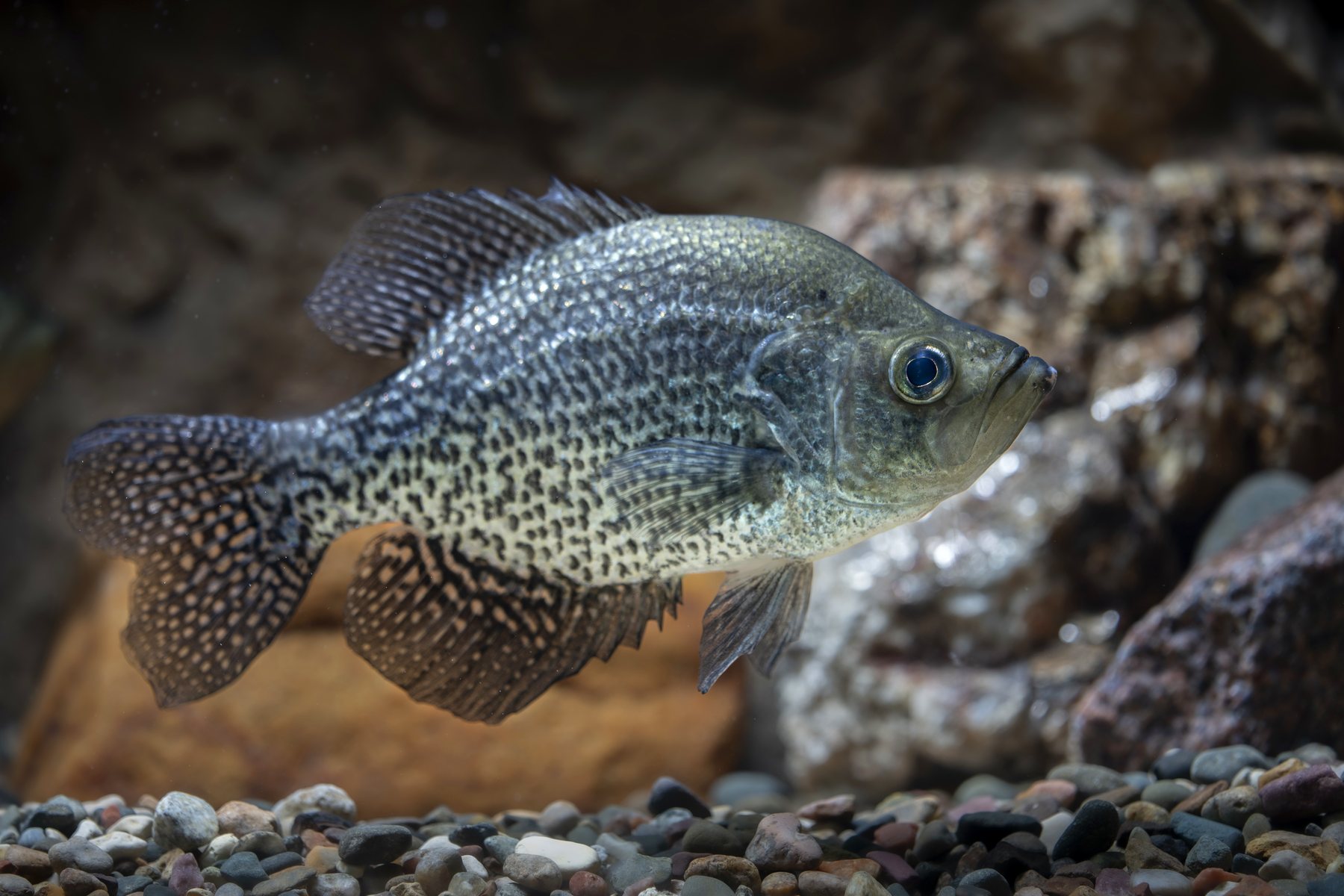
Crappie rod: A 6- to 7-foot medium spinning rod paired with 4–8 lb monofilament or fluorocarbon. Truman crappie average a solid slab size, especially during the spring spawn when fish push into the flooded timber coves on the Osceola side. You don't need a fancy rod — you need a sensitive tip that telegraphs a subtle hit at 12 feet of depth.
Bass and catfish rod: A 7-foot medium-heavy casting rod with 15 lb fluorocarbon or 30 lb braid handles Texas-rigged worms, swim jigs, and the big channel cats that run the Osage and Grand arms. If you're targeting flatheads specifically, go heavier — 50 lb braid and a stout rod aren't overkill on Truman's big water.
Bring a backup spinning rod. Line twist happens, guides crack on rocky launches. A $40 spare rod saves a fishing day.
Tackle: Crappie
Truman's crappie fishery is the main event for a lot of visitors — the lake hosts Crappie Masters and National Crappie League events for good reason. Pack accordingly.
- Jigheads: 1/16 oz and 1/32 oz. The lighter heads work better in calm, shallow timber; go 1/16 oz when there's any current in the creek arms.
- Tube jigs and curly-tail grubs: Chartreuse, black, and pink cover most conditions. Chartreuse on overcast days, natural/white on bright sun, pink when nothing else is working.
- Bobby Garland Baby Shad style plastics or similar small 2-inch bodies — these outperform larger baits most of the season.
- Slabs (spoons): A few 1/4 oz chrome slabs for vertical jigging brush piles in 12–20 feet of water during summer.
- Bring more than you think you need. Timber eats jigheads.
Tackle: Bass and Catfish
For bass, a short list covers a lot of water:
- Texas-rigged 4-inch worms in green pumpkin and watermelon red — standard Truman colors
- A couple of swim jigs (3/8 oz, white and chartreuse/white)
- Squarebill crankbaits for the rocky points on the main lake
- Topwater (Spook or popper style) for low-light periods near timber edges
For catfish, cut shad is hard to beat, but frozen cut bait is easy to pack and you can buy chicken liver and prepared stink bait locally. Cody's Bait and Tackle in Warsaw and the Bucksaw store near the Clinton area both carry live and frozen bait — check our local merchants directory for current hours before you leave home. Bring bait frozen if you're driving in; it stays cold in a good cooler and you'll have it regardless of store hours.
What you probably can't find locally: LiveScope transducer mounts, specific jig colors in small sizes, drop-shot weights, finesse plastics in niche profiles. Bring those from home.
Boat Gear
Truman's flooded timber is the feature that makes it a great crappie fishery — and the thing that destroys props. If you're running any of the back coves on the Tebo, Sac, or Pomme de Terre arms, bring two spare props. A submerged log at slow speed will bend an aluminum prop. A hit at higher speed will shear a pin. Carry the socket to swap one and you're back fishing in 15 minutes instead of trailering out.
- Trolling motor: Charge it fully the night before each fishing day. The timber fishing is electric-motor-only territory — you'll run the trolling motor hard for hours. If your battery is marginal, bring a backup or a portable charger.
- Anchor system: Two anchors lets you hold position in the wind without spinning. A lot of crappie anglers run an anchor off the bow and one off the stern to present baits at the exact depth they want. Anchor trolleys setups work well here.
- Cooler with ice (for fish): Keep your fish cooler separate from your food and drinks. Fish slime in your sandwich cooler is a morale issue.
- Net: A rubberized net with a longer handle (24–30 inch) helps land crappie out of brush without tearing them up or losing them at the boat.
- Bilge pump check: Truman afternoon thunderstorms come fast. Make sure it works before you leave the dock.
Clothing and Personal Gear
Missouri lake weather in the main fishing seasons (March through October) swings hard.
- Mornings are often cold, even in May. A fleece or light puffy jacket you can strip off by 9 a.m. is the right call.
- Afternoons can hit 95°F in July and August. Lightweight, long-sleeve sun shirts (UPF rated) are better than sunscreen alone if you're on the water for six hours.
- Rain shell: Not optional. Missouri's afternoon convective storms build fast and hit hard. A packable rain jacket that fits in your tackle bag means you stay on the water instead of running for the dock. Truman has a lot of open water — lightning is not something to mess with, but if you can wait out a short storm under a tree line, you can.
- Multiple hats: One gets wet. Bring two.
- Polarized sunglasses: The single most important piece of gear for sight-fishing timber edges and reading water depth changes. Amber or brown lens tints work well on Truman's stained water.
- Sunscreen: Broad-spectrum SPF 50. The reflection off the water doubles your UV exposure. Bring more than you think you'll use.
- Bug spray: Mosquitoes and chiggers are real in the timber coves, especially at dawn and dusk. DEET-based spray is the standard for Missouri summer fishing.
License and Regulations
Missouri fishing licenses are required for anyone 16 and older. Buy yours at mdc.mo.gov before you leave — you can save it on your phone or print a copy. Don't rely on finding a license vendor open when you roll into Warsaw at 6 a.m.
Paddlefish snagging season runs March 15 through April 30 and requires a separate permit plus a paddlefish permit tag. If that's on your agenda, get both sorted in advance. Check the MDC regulations for current slot limits and possession limits on crappie (currently 30 per person per day, 10-inch minimum on Truman) — these do get adjusted, so confirm before the trip.
For the latest local fishing conditions, check the Truman Lake fishing report before you leave.
The Fish-Cleaning Kit
Most marinas and several cabin properties have fish-cleaning stations. They don't always have everything you need.
- Electric fillet knife (or a sharp manual fillet knife, 7.5-inch blade)
- Cutting board (flexible plastic, easy to wash)
- Heavy-duty zip-close bags for fillets — gallon size, bring a box
- Paper towels and dish soap
- A bag for carcasses — clean up after yourself at the station
- Latex or nitrile gloves for slippery catfish and for keeping your hands clean
Finger guards deserve their own mention. Fishing line under tension cuts skin faster than you'd expect. A pack of finger guards (the rubber kind used by crappie tournament anglers) weighs almost nothing and prevents the kind of slice that ruins the second day of a trip.
What You Can Buy Locally
You don't have to pack absolutely everything. Truman's lake towns have the basics covered:
- Bait: Live and frozen bait at Cody's Bait and Tackle (Warsaw), Anglers and Antlers, and the Bucksaw area store. Minnows, worms, shad, chicken livers, stink bait.
- Ice: Available at most marinas and convenience stores around the lake. Buy locally and save cooler space on the drive in.
- Snacks and drinks: Warsaw has grocery options. Clinton (north) and Osceola (south) have more, and both are reasonable drives from the Tebo and Sac arms.
- Basic tackle: Hooks, sinkers, basic jig assortments. Don't count on finding specialty colors or finesse stuff.
Browse the full local merchants directory for shop locations and what they carry.
Getting Set Up at the Cabin
A good home base makes the whole trip easier — shorter drives to the ramp, a place to charge trolling motor batteries overnight, somewhere to clean fish and cook them the same evening. Several properties on TrumanLakeCabinRentals.com sit close to productive water on the Tebo and Sac arms, with dock access or short drives to public launches.
Book direct with the owner — no service fees, no commission markup, and you'll usually get local knowledge about ramp conditions and what's been biting when you talk to them. Check the cabins listing page to see what's available for your dates.
Pack the list. Check the fishing report. See you out there.