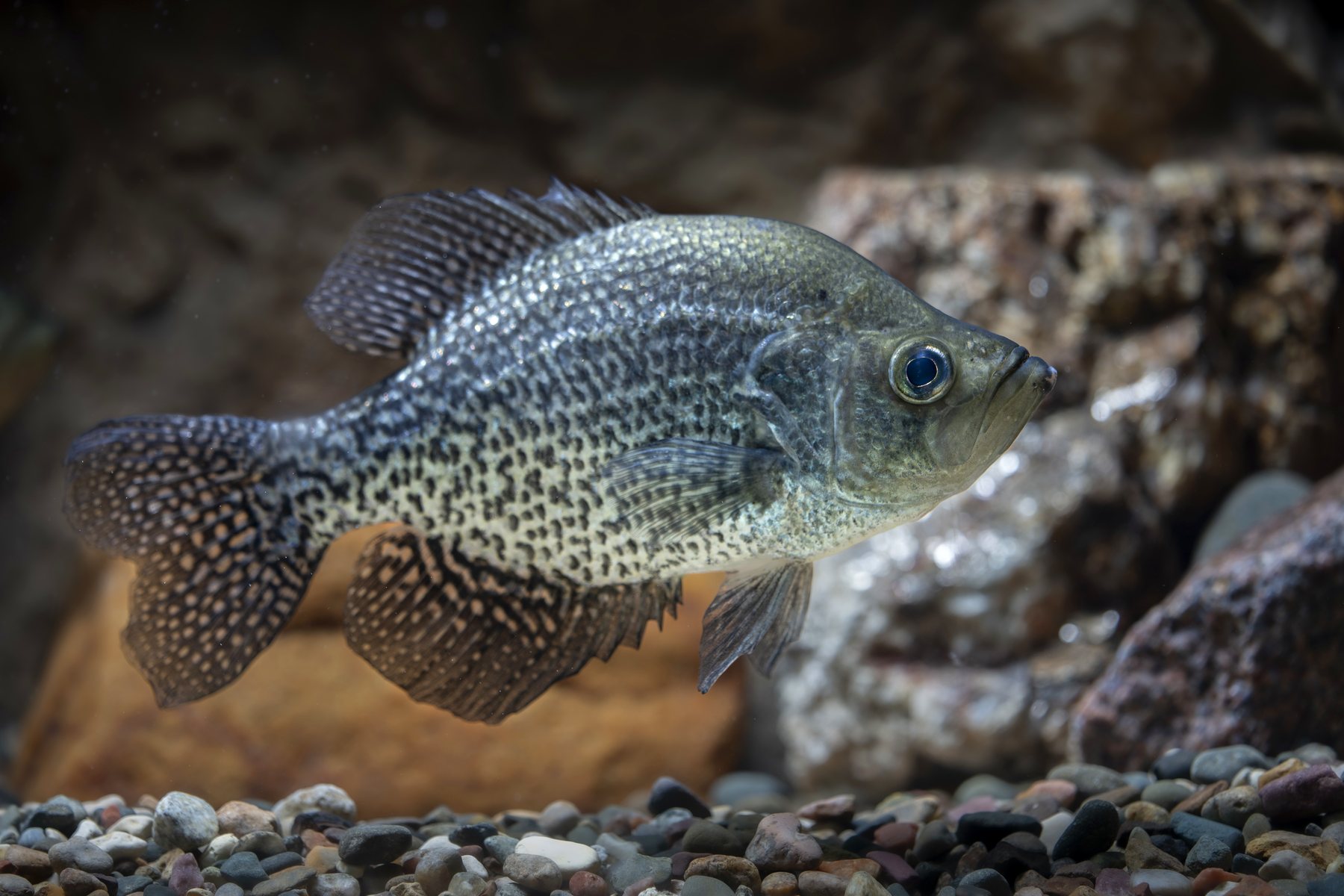
Truman Lake produces crappie year-round, but the difference between a slow day and a cooler full of slabs comes down to timing. At 55,600 surface acres spread across five distinct arms — Osage, Grand, Sac, Pomme de Terre, and Tebo — the lake offers enough variety that crappie are almost always biting somewhere. The trick is knowing where and when.
What follows is a practical month-by-month breakdown based on water temps, seasonal behavior, and the patterns local anglers return to year after year.
Late March Through Mid-May: The Spawn Window You Can't Miss
This is the period that earns Truman Lake its reputation. When surface temps climb from 55°F into the low 60s, crappie move shallow to spawn — and they do it by the millions across 55,600 acres of shoreline, brush, and flooded timber.
The warming doesn't happen evenly. Osceola-side coves on the southern end of the lake heat up first, often running a week or two ahead of the main lake body. The Grand Arm, which runs north and east, tends to be the last to warm. If you want to catch the very leading edge of the spawn, start near Osceola and work north as the season progresses.
Target water 2 to 8 feet deep. Look for:
- Flooded timber and standing dead wood
- Brushy coves with dark, silty bottoms (they absorb heat faster)
- North-facing banks that angle toward afternoon sun
- Any structure near a channel drop — fish stage here before moving shallow
Jigs in chartreuse, pink, and white produce well. Live minnows under a slip float are hard to beat when the spawn is peaking. Go light — 1/16 oz to 1/8 oz heads on 2-lb to 4-lb test keeps presentations natural in clear water.
This window also attracts some of the most competitive crappie anglers in the country. The Crappie Masters and National Crappie League have both used Truman Lake as a tournament host, drawn by the sheer density of fish during the spawn run. If you're planning a trip and a tournament weekend is on the calendar, check the TLCR events page — you'll want to either fish alongside the action or plan around it.
Late May and June: Go Deeper, Stay Productive
Once the spawn wraps up — typically by mid-May in most coves, later in the Grand Arm — fish transition off the banks and suspend over deeper structure. The easy bank-fishing bite fades, but crappie don't disappear. They relocate to brush piles in 15 to 25 feet of water.
This is when electronics earn their keep. Anglers who've spent years on Truman have brush piles marked from previous seasons, and they protect those waypoints like family secrets. If you're new to the lake, concentrate on the main lake points near channel edges and look for anything that shows up on sonar.
Vertical jigging directly over structure works well in this period. Drop a 1/4 oz jig straight down into brush and work it with small hops. Spider rigging — running multiple rods off the front of a slow-moving boat — lets you cover water and find suspended fish between structure.
Water clarity on Truman can vary considerably by arm. The Tebo Arm near Osceola sometimes runs slightly stained, which means darker jig colors (black/chartreuse, purple/white) can outperform natural patterns that shine in clear conditions.
July and August: Heat, Depth, and Night Fishing
Mid-summer on Truman is honest work. Surface temps push into the upper 80s, and crappie push deeper — often 20 to 30 feet — to find comfortable oxygen levels. Daytime fishing slows considerably, and that's not a rumor.
The anglers who stay productive during July and August do one of two things: fish deep brush with finesse presentations during cooler morning hours, or fish at night.
Night fishing near marina docks and boat slips is one of Truman's underappreciated summer patterns. Lights attract insects, insects attract shad, shad attract crappie. Pull up near a well-lit dock after 10 p.m. with a small jig or live minnow and you'll often find fish stacked in the shadows. Be courteous — ask before fishing near private docks, and stick to public marina areas where night fishing is openly practiced.
Morning anglers who start before sunrise and wrap up by 9 or 10 a.m. can still find fish on the same deep brush that held them in June. Once the sun gets high, the bite typically shuts down until evening.
Check the TLCR fishing report during summer months for current depth readings and any arm-specific notes from anglers on the water.
September and October: The Fall Return
September is underrated. Water temps start dropping from their summer peak, shad begin schooling near the surface, and crappie follow. This creates one of the more visual fishing experiences on Truman — you'll see white bass and crappie busting baitfish on the surface, often in open water away from structure.
When you see surface activity, idle toward it from downwind and cast small shad-colored jigs or swimbaits into the melee. It doesn't last long — maybe 20 minutes before the school dives — but you can cover several busts in a single morning.
As October progresses and surface temps drop back into the 60s, crappie ease back toward shallow brush. This mirrors the pre-spawn staging behavior from early spring, which means the same coves and timber that held fish in April start producing again. The fish tend to be aggressive and feeding hard ahead of winter.
Fall is also a solid time for less-pressured fishing. Tournament season has wound down, the summer crowd has thinned, and weekday anglers often have entire arms of the lake to themselves. If you're looking to book a cabin for a fishing trip without competing for water, late September through October is worth serious consideration — browse available Truman Lake cabins to see what's open.
November: Transition Month
November is a pivot point. Early in the month, the fall shallow bite can still be excellent, especially during warm spells that hold surface temps above 55°F. By late November, fish begin pulling off the banks again as temps drop into the 40s.
Wind-protected coves on sunny afternoons can hold shockingly good late-fall crappie fishing. A south or southwest-facing cove that's been baking in November sun all day will be several degrees warmer than the main lake — and fish will find it.
This is also when angling pressure drops to its lowest point of the year, which means public ramps and launch areas are rarely crowded. For anglers willing to layer up and deal with cold mornings, November rewards patience.
December Through February: Trophy Season
Winter crappie fishing on Truman Lake is not for the casual day-tripper. Temperatures are cold, fish are slow, and presentation has to be precise. But the fish that bite in January and February are, on average, the largest of the year.
Slabs in the 12-to-14-inch range show up regularly for anglers who put in the time during winter. Fish hold tight to deep brush and structure — often in 25 to 35 feet — and they won't chase a fast presentation. Drop a 1/32 oz jig directly into the brush and barely move it. Strikes are subtle. A quality rod with a sensitive tip and a light line (2 to 4 lb) lets you feel what you'd otherwise miss.
Electronics are almost mandatory in winter. If you can see fish on sonar and drop a jig to their exact depth, you'll catch them. If you're guessing, you'll spend a lot of cold hours with nothing to show for it.
Winter also brings one of Truman Lake's best non-fishing attractions: the bald eagle congregation around the dam and the Osage Arm. The MDC Eagle Days events typically draw crowds to Warsaw and the dam area in January and February. If you're combining a winter crappie trip with eagle watching, Warsaw is the logical base — it sits on the east end of the lake near the dam and offers the best access to both.
Planning Your Truman Lake Crappie Trip
The spawn window — late March through mid-May — is the single best stretch for most anglers, especially those visiting for the first time. Fall runs a close second for combination of fish size and scenery. Winter rewards experienced anglers willing to dial in slow presentations.
For current conditions before any trip, check the TLCR fishing report and cross-reference with MDC's Truman Lake prospect updates at mdc.mo.gov. Conditions shift week to week, and the difference between a good tip and a stale one can be measured in fish.
If you're still looking for a place to stay, Truman Lake cabin rentals lists owner-direct properties — no booking fees, no service charges, just a direct line to the people who know the lake best.